Best Historical Fiction Books for Book Clubs (2026 Guide)
We independently review and test products. If you buy though our links, we may earn a commission at no additional cost to you.

Looking for the best historical fiction books for book clubs? You’re in the right place. Whether your group loves sweeping family sagas, World War II dramas, forgotten moments in history, or character-driven literary fiction, this guide brings together the most discussion-worthy novels that will keep your book club talking long after the meeting ends.
We’ve carefully curated this list to help you spend less time searching and more time reading. From modern book club picks to timeless classics, every recommendation has been chosen for its storytelling, historical authenticity, emotional depth, and discussion potential. Whether you’re searching for your next book club read, comparing book club recommendations or building a long-term historical fiction book club list, you’ll find plenty of exceptional choices below.
Newly Released Historical Fiction Books Perfect for Book Clubs
Looking for your next unforgettable book club read? These top new historical fiction books combine powerful storytelling, authentic historical settings and memorable characters that inspire meaningful discussions. Whether you’re searching for fresh club picks or trusted book club recommendations, these recent releases are perfect for your next meeting.

Short Plot
This novel explores the catastrophic reality of the Holocaust during World War II. It centers specifically on the horrific conditions within the Auschwitz concentration camp, focusing on the agonizing experiences of families torn apart and the desperate, unimaginable lengths parents went to in order to ensure their children’s survival.
Why It’s Great for Book Clubs
World War II narratives, particularly those focusing on the Holocaust, provide deeply emotional and profound reading experiences. For a reading group, this book offers a powerful avenue to discuss human resilience, the limits of endurance, and the enduring impact of trauma. It guarantees a highly reflective, empathetic, and serious discussion.
Discussion Themes
- Survival and Resilience
- The Holocaust
- Family and Separation
- Identity and Belonging
- Hope and Courage
- Trauma and Healing
- Compassion
- Memory and Remembrance
Why We Recommend It
Dani Zrihen combines historical events with an emotionally engaging narrative that honors the experiences of Holocaust survivors. As one of the more moving historical fiction book for book club readers, the novel provides historical perspective while inspiring thoughtful conversations about courage, loss, and the enduring strength of the human spirit.
Who Should Read It?
Perfect for readers who enjoy Holocaust historical fiction novels, stories inspired by true events, emotionally powerful narratives, and book club recommendations that explore resilience, family, and the importance of remembering history.
Book Club Discussion Questions
- How does the author balance the immense, overarching tragedy of Auschwitz with the intimate, personal moments of human connection?
- What impossible choices did the characters face regarding the child’s safety, and how did those decisions impact their humanity?
- How does the novel explore the concepts of memory, guilt, and survival in the face of such profound systemic cruelty?
- How does the novel portray hope in the face of unimaginable suffering?
- What role does identity play in the protagonist’s journey?
- How do the effects of war continue long after the conflict ends?
- Why is it important to preserve and share stories inspired by Holocaust survivors?
- What makes The Lost Child of Auschwitz a meaningful historical fiction book for book club selection?
If You Enjoyed The Lost Child of Auschwitz, Also Read
- The Tattooist of Auschwitz by Heather Morris
- The Book of Lost Names by Kristin Harmel
- Lilac Girls by Martha Hall Kelly
- The Nightingale by Kristin Hannah
- All the Light We Cannot See by Anthony Doerr
Advertiseent-Continue Reading Below
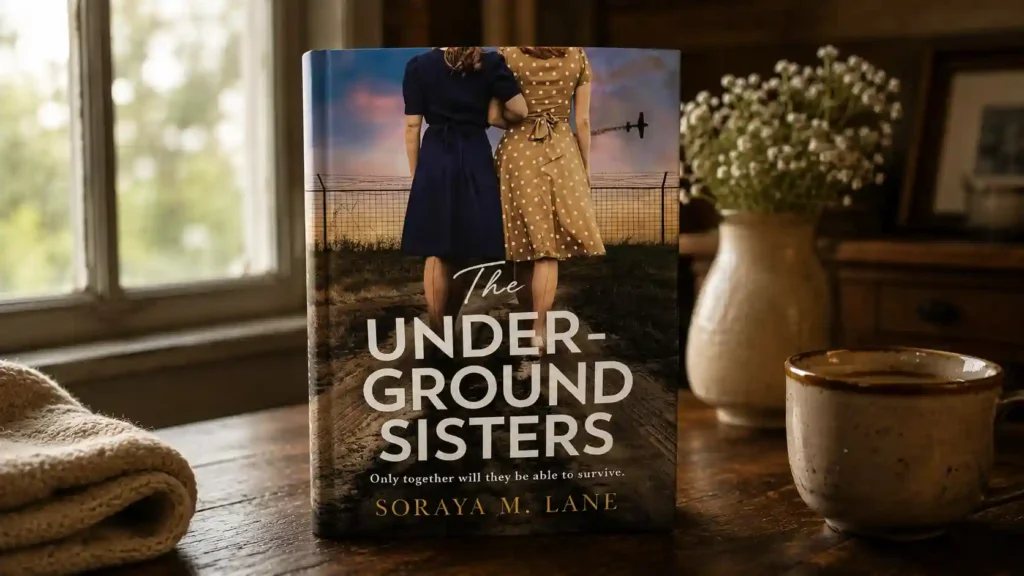
The Underground Sisters
Author: Soraya M. Lane
Pages: 336
Setting: France & England (World War II)
Primary Genre: Historical Fiction
Discussion Potential: ⭐⭐⭐⭐⭐ Excellent
Best For: World War II fiction, stories of female friendship, resistance novels
Short Plot
During World War II, two courageous women become part of the French Resistance, risking everything to help those fleeing Nazi persecution. As danger closes in, their friendship, bravery, and determination are tested in ways that will shape their lives forever.
Why It’s Great for Book Clubs
Stories of wartime resistance inherently force readers to grapple with extreme moral dilemmas, sacrifice, and the limits of familial loyalty. When building a comprehensive guide for reading groups, this type of high-stakes narrative guarantees a passionate, multifaceted discussion where readers can easily step into the characters’ shoes.
Discussion Themes
- Friendship and Loyalty
- Courage and Sacrifice
- The French Resistance
- Women in Wartime
- Survival and Hope
- Love and Loss
- Moral Choices
- Resilience
Why We Recommend It
Soraya M. Lane delivers an absorbing historical fiction novel that highlights the bravery of women during World War II. While fast-paced and emotionally satisfying, it also offers enough historical depth and character development to make it one of the more engaging historical fiction books for book club readers who enjoy wartime stories.
Who Should Read It?
Perfect for readers who enjoy World War II historical fiction novels, stories of female resilience, historical suspense, and book club recommendations that combine compelling characters with inspiring true-to-life themes.
Book Club Discussion Questions
- What specific event catalyzed the sisters’ initial involvement in the underground resistance?
- How did the author depict the daily psychological toll of espionage and secrecy?
- Which sister’s approach to survival did you find most justified in the context of the war?
- How do friendship and trust help the women survive impossible circumstances?
- What risks were ordinary civilians willing to take to resist Nazi occupation?
- Which character’s choices did you admire the most, and why?
- How does the novel portray hope in the face of overwhelming danger?
- Why do you think The Underground Sisters is a strong historical fiction book for book club selection?
If You Enjoyed The Underground Sisters, Also Read
- The Nightingale by Kristin Hannah
- The Alice Network by Kate Quinn
- Lilac Girls by Martha Hall Kelly
- Beneath a Scarlet Sky by Mark Sullivan
- The Things We Cannot Say by Kelly Rimmer
Advertiseent-Continue Reading Below

Short Plot
The book captures the rigid socio-economic and racial hierarchies of the 20th-century American South. It examines the insular, exclusive social clubs of the era and how deeply ingrained societal rules governed the daily lives, expectations, and boundaries of women during a period of bubbling cultural change.
Why It’s Great for Book Clubs
Kathryn Stockett is known for tackling complex societal structures. This novel is an excellent anchor for a reading guide because it naturally provokes debates about privilege, systemic change, and the personal cost of challenging the status quo.
Discussion Themes
- Friendship and Community
- Family Secrets
- Women’s Lives
- Love and Loss
- Identity and Belonging
- Resilience
- Social Change
- Hope and Redemption
Why We Recommend It
Kathryn Stockett crafts a warm, character-driven historical fiction novel filled with emotional depth and vivid Southern atmosphere. With its compelling relationships and relatable themes, The Calamity Club is a strong choice among historical fiction books for book club readers looking for an immersive and discussion-worthy read.
Who Should Read It?
Perfect for readers who enjoy Southern historical fiction novels, family dramas, strong female characters, and book club recommendations that combine rich storytelling with emotional depth.
Book Club Discussion Questions
- How does the “Calamity Club” serve as a microcosm for the larger society depicted in the book?
- What was the primary motivation behind the protagonist’s rebellion against her social circle?
- How did the historical setting specifically influence the boundaries placed on the female characters?
- Which character’s journey resonated with you the most, and why?
- How do friendship and community help the characters overcome adversity?
- What role do family secrets play in shaping the story?
- Which themes felt most relevant to modern readers?
- Why do you think The Calamity Club makes a compelling historical fiction book for book club selection?
If You Enjoyed The Calamity Club, Also Read
- The Help by Kathryn Stockett
- The Four Winds by Kristin Hannah
- The Grapes of Wrath by John Steinbeck
- The Secret Life of Bees by Sue Monk Kidd
- The Book Woman of Troublesome Creek by Kim Michele Richardson
Hosting a historical fiction discussion? Pair your novel with themed refreshments using our favorite book club snacks inspired by different genres and settings.

Short Plot
Examines Nazi-occupied Poland during World War II, highlighting the terrifying choices faced by rural families trying to protect their neighbors, contrasted with a modern-day timeline tracking a family dealing with autism and historical trauma.
Why It’s Great for Book Clubs
Excellent for groups that appreciate dual-timeline narratives, it raises profound discussion points about unspoken family burdens, sacrifice, and how the echoes of wartime survival shape modern relationships.
Discussion Themes
- Love and Sacrifice
- Family Secrets
- Courage and Survival
- World War II
- Motherhood
- Hope and Resilience
- Forgiveness
- Identity and Legacy
Why We Recommend It
Kelly Rimmer delivers an emotionally rich historical fiction novel that balances romance, history, and family relationships with remarkable sensitivity. As one of the best historical fiction books for book club readers, it offers unforgettable characters, compelling historical insight, and conversations that continue long after the final chapter.
Who Should Read It?
Perfect for readers who enjoy World War II historical fiction novels, dual-timeline stories, emotional family dramas, and book club recommendations that explore love, loss, and the lasting impact of history across generations.
Book Club Discussion Questions
- How do the past and present storylines deepen the novel’s emotional impact?
- What sacrifices did Alina make, and how did they shape her future?
- How does the novel explore the meaning of family and unconditional love?
- Which character’s journey resonated with you the most, and why?
- Why do you think The Things We Cannot Say is a memorable historical fiction book for book club selection?
If You Enjoyed The Things We Cannot Say, Also Read
- The Nightingale by Kristin Hannah
- The Book of Lost Names by Kristin Harmel
- Lilac Girls by Martha Hall Kelly
- All the Light We Cannot See by Anthony Doerr
- The Things We Left Behind by Lisa Jewell

Short Plot
Set in 1870 Los Angeles, Daughters of the Sun and Moon follows three Chinese women—Dove, Petal, and Moon—whose lives intersect as anti-Chinese prejudice intensifies. Facing discrimination, hardship, and the tragic events surrounding the Chinese Massacre of 1871, they must rely on courage, friendship, and resilience to survive and build new lives.
Why It’s Great for Book Clubs
If you’re searching for historical fiction books for book club, Daughters of the Sun and Moon is an exceptional choice. It sheds light on a little-known chapter of American history while exploring friendship, identity, immigration, and the strength of women in the face of injustice. Its rich historical backdrop and emotionally compelling characters inspire meaningful, thought-provoking discussions.
Discussion Themes
- Friendship and Sisterhood
- Chinese American History
- Immigration and Belonging
- Women’s Rights
- Racism and Prejudice
- Identity and Resilience
- Justice and Survival
- Hope in Adversity
Why We Recommend It
Lisa See once again brings overlooked history to life through vivid storytelling and unforgettable characters. Blending meticulous research with emotional depth, Daughters of the Sun and Moon stands out among the readers of historical fiction books for book groups, offering both an engaging narrative and valuable historical insight.
Who Should Read It?
Perfect for readers who enjoy literary historical fiction novels, multicultural stories, strong female protagonists, and book club recommendations that explore forgotten moments in history through deeply personal journeys.
Book Club Discussion Questions
- How do Dove, Petal, and Moon respond differently to discrimination and hardship?
- What does the novel reveal about the experiences of early Chinese immigrants in America?
- How do friendship and community help the women endure difficult circumstances?
- Why is it important for historical fiction to tell overlooked stories like this one?
- What makes Daughters of the Sun and Moon an outstanding historical fiction book for book club selection?
- How do the sun and the moon function as recurring symbols for the two main characters?
- What role did traditional cultural folklore play in shaping the protagonists’ critical decisions?
- In what specific ways did the historical era restrict the characters’ agency and independence?
If You Enjoyed Daughters of the Sun and Moon, Also Read
- The Island of Sea Women by Lisa See
- Snow Flower and the Secret Fan by Lisa See
- Pachinko by Min Jin Lee
- Homegoing by Yaa Gyasi
- The Lion Women of Tehran by Marjan Kamali
Advertiseent-Continue Reading Below

- Fast Delivery
- Prime Video
- Kindle Reading
- Prime Gaming
More New Historical Fiction Book Club Books


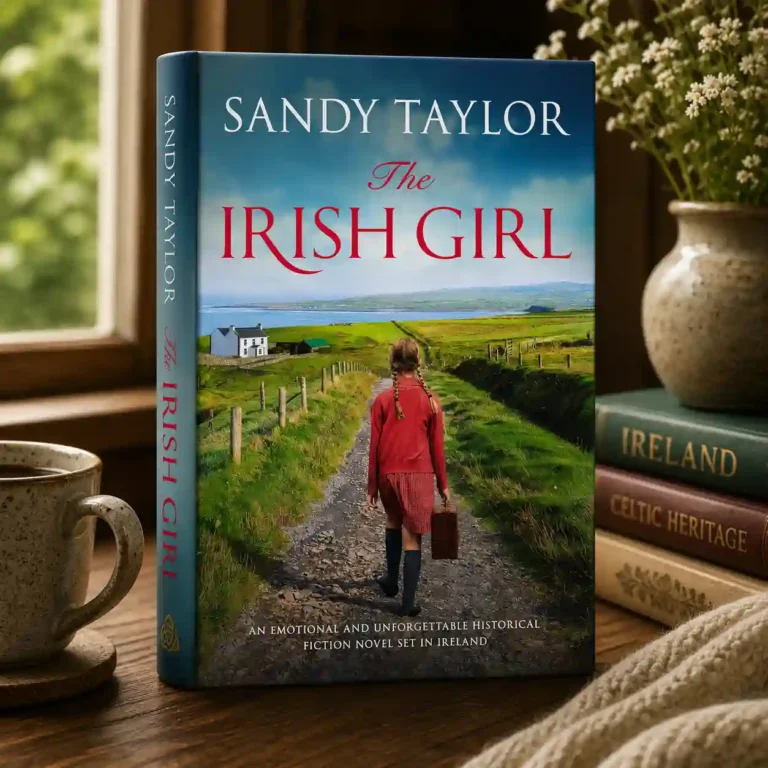
While historical fiction offers rich settings and unforgettable characters, our complete Best Book Club Books guide includes even more outstanding recommendations for every kind of reader.
Five Star Historical Fiction Books for Book Clubs
Skip the filler and pick a crowd-pleaser. From sweeping epics to hidden histories, these top-rated novels deliver the rich storytelling and deep discussions every great book club needs.

Pachinko
Author: Min Jin Lee
Pages: 496
Setting: Korea & Japan (1910s–1980s)
Primary Genre: Historical Fiction
Discussion Potential: ⭐⭐⭐⭐⭐ Excellent
Best For: Multigenerational family sagas, literary fiction, immigration stories, historical dramas
Short Plot
This sweeping epic details the 20th-century history of Koreans migrating to Japan, spanning from the early 1910s Japanese colonization of Korea through World War II, the division of the peninsula, and the late-century pachinko parlor subculture. It vividly captures the lived reality of Zainichi Koreans—ethnic Koreans living in Japan who faced systemic statelessness, discrimination, and legal marginalization across four generations.
Why It’s Great for Book Clubs
Pachinko is one of the finest historical fiction novels for book clubs because it combines deeply human storytelling with significant historical events that many readers know little about. Its multi-generational narrative offers countless opportunities to discuss identity, cultural belonging, family expectations, inequality, ambition, and the lasting effects of history on ordinary lives. Every character’s choices raise thoughtful questions, making it a book that inspires meaningful conversations long after the final chapter.
Discussion Themes
- Family and Generational Legacy
- Identity and Belonging
- Immigration and Displacement
- Discrimination and Prejudice
- Love and Sacrifice
- Social Class
- Faith and Morality
- Resilience and Survival
- Korean History
- Japanese Occupation of Korea
Why We Recommend It
It is a masterclass for book clubs because it transforms dense, often-overlooked geopolitical history into an intimate family struggle. The narrative explores how structural racism and shifting border politics force ordinary individuals to redefine concepts of home, duty, and honor. Groups will find endless conversational material debating the choices made by the matriarch Sunja and her descendants as they balance assimilation against ancestral preservation.
Who Should Read It?
Perfect for readers who enjoy sweeping historical epics, literary fiction, family sagas, and novels that explore culture, identity, and the enduring power of hope.
Book Club Discussion Questions
- Which generation of the family did you connect with most, and why?
- How did discrimination shape the choices and opportunities available to each character?
- What does Pachinko suggest about the meaning of home and belonging?
- Which character experienced the greatest personal growth throughout the novel?
- How did the historical setting influence your understanding of the family’s struggles?
- Were any characters morally ambiguous? Did your opinion of them change as the story progressed?
- What message do you think Min Jin Lee wanted readers to take away from the novel?
If You Enjoyed Pachinko, Also Read
- Homegoing by Yaa Gyasi
- The Island of Sea Women by Lisa See
- The Mountains Sing by Nguyễn Phan Quế Mai
- The Covenant of Water by Abraham Verghese
- The Nightingale by Kristin Hannah
Historical fiction often raises fascinating questions about morality, culture, and real-world events. After finishing your next novel, explore our book club discussion questions to dive deeper into the story’s themes and spark thoughtful conversations with your reading group.
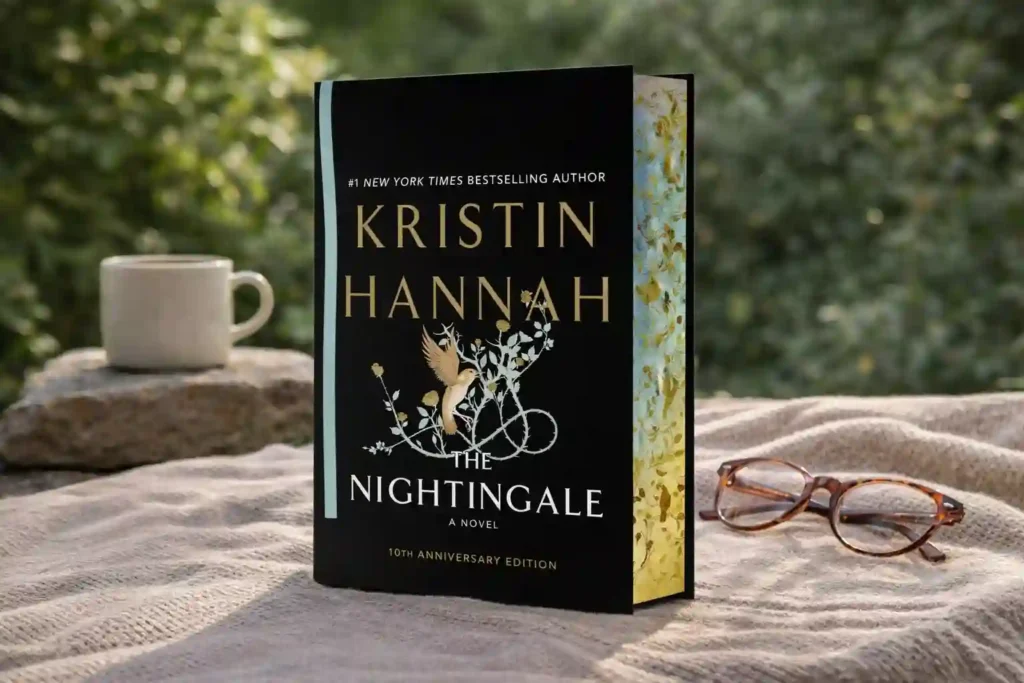
The Nightingale
Pages: 608
Setting: France (1939–1945, World War II)
Primary Genre: Historical Fiction
Discussion Potential: ⭐⭐⭐⭐⭐ Excellent
Best For: WWII fiction, emotional family dramas, stories of female courage and resilience
Short Plot
Set in German-occupied France during World War II, this narrative chronicles the specific, often hidden contributions of women to the French Resistance. It covers the realities of the Nazi requisition of homes, the perilous escape routes through the Pyrenees mountains for downed Allied pilots, and the systemic deportation of Jewish children to concentration camps.
Why It’s Great for Book Clubs
The Nightingale is an exceptional book club selection because it explores the many forms of courage through deeply human characters rather than battlefield heroics. The novel raises powerful questions about survival, resistance, family, forgiveness, and the moral compromises people make during extraordinary circumstances. Its emotional depth and unforgettable ending make it one of the most discussion-worthy historical fiction novels ever written.
Discussion Themes
- Courage and Resistance
- Family and Sisterhood
- Love and Sacrifice
- Survival During War
- Moral Choices
- Freedom and Oppression
- Women’s Roles in WWII
- Forgiveness and Redemption
- Resilience
- Hope
Why We Recommend It
This book is an essential pick due to its sharp focus on the moral ambiguities of survival. By tracking two sisters with completely divergent responses to tyranny—one choosing active, high-risk defiance and the other choosing quiet, domestic endurance—the novel forces a book club to confront uncomfortable questions: What constitutes courage? When does compliance become complicity? The intense emotional climax guarantees a long, deeply felt group discussion.
Who Should Read It?
Perfect for readers who enjoy emotionally powerful historical fiction, World War II stories, unforgettable female protagonists, and novels that inspire thoughtful discussion about courage, love, and resilience.
Book Club Discussion Questions
- How did Vianne and Isabelle define courage differently throughout the novel?
- Which sister’s choices did you sympathize with most, and why?
- How did the war transform each of the main characters?
- Were there moments when survival justified morally difficult decisions?
- Which themes felt most relevant to modern readers?
- Did the ending change your perspective on either sister or their relationship?
- What does the novel suggest about the often-overlooked role of women during World War II?
If You Enjoyed The Nightingale, Also Read
- All the Light We Cannot See by Anthony Doerr
- The Alice Network by Kate Quinn
- Lilac Girls by Martha Hall Kelly
- The Women by Kristin Hannah
- Beneath a Scarlet Sky by Mark Sullivan

A Gentleman in Moscow
Author: Amor Towles
Pages: 462
Setting: Moscow, Russia (1922–1954)
Primary Genre: Historical Fiction
Discussion Potential: ⭐⭐⭐⭐⭐ Excellent
Best For: Literary historical fiction, character-driven stories, philosophical novels
Short Plot
The story explores the tumultuous transition of Russian society following the 1917 Bolshevik Revolution, stretching across the rise of Stalinism, World War II, and the height of the Cold War. It views these massive socio-political shifts entirely through the microcosm of Moscow’s Hotel Metropol, where an aristocrat is sentenced to lifetime house arrest by a Soviet tribunal.
Why It’s Great for Book Clubs
This novel explores freedom, identity, resilience, and the meaning of a well-lived life. Its thoughtful themes, memorable characters, and quiet emotional moments make it ideal for deep, engaging book club conversations.
Discussion Themes
- Freedom and Confinement
- Friendship and Loyalty
- Love and Loss
- Identity
- Political Change
- Hope and Resilience
Why We Recommend It
It is added because it offers a completely unique lens on political upheaval, focusing on internal resilience and intellectual defiance rather than battlefield violence. A book club will enjoy analyzing how the protagonist preserves culture, manners, and personal dignity when his entire world is stripped away. The witty, elegant prose contrasts beautifully with the underlying critique of Soviet bureaucracy, offering rich layers for literary analysis.
Who Should Read It?
Perfect for readers who enjoy literary fiction, character-driven stories, and historical novels filled with wisdom, humor, and heart.
Book Club Discussion Questions
- What does the Count teach us about living a meaningful life?
- How does the hotel shape the story and its characters?
- Which relationship had the biggest impact on the Count?
- What does the novel say about freedom and happiness?
- Why do you think this story resonates with so many readers?
If You Enjoyed A Gentleman in Moscow, Also Read
- Hamnet by Maggie O’Farrell
- Pachinko by Min Jin Lee
- The Lincoln Highway by Amor Towles
- All the Light We Cannot See by Anthony Doerr
- The Covenant of Water by Abraham Verghese

All the Light We Cannot See
Author: Anthony Doerr
Pages: 544
Setting: France & Germany (1934–1945, World War II)
Primary Genre: Historical Fiction
Discussion Potential: ⭐⭐⭐⭐⭐ Excellent
Best For: Literary historical fiction, World War II novels, character-driven stories
Short Plot
Set against the backdrop of World War II, the novel focuses heavily on the battle and ultimate destruction of the walled citadel city of Saint-Malo, France, during the Allied liberation in 1944. It highlights the Nazi regime’s use of radio technology for propaganda and tracking resistance signals, alongside the tragic conscription of young German boys into elite military training schools.
Why It’s Great for Book Clubs
This Pulitzer Prize-winning novel offers more than a compelling wartime story. Its rich symbolism, unforgettable characters, and moral dilemmas spark meaningful conversations about humanity, destiny, sacrifice, and the impact of war on ordinary lives.
Discussion Themes
- War and Humanity
- Courage and Resilience
- Morality and Choice
- Hope and Survival
- Fate and Destiny
- Compassion
- Loss and Sacrifice
- The Power of Knowledge
Why We Recommend It
The structural choice to alternate between a blind French girl and an orphaned German engineering prodigy makes it exceptional for group dialogue. It systematically breaks down the classic “us versus them” wartime trope, focusing instead on how shared human vulnerability coexists with institutional cruelty. Clubs can explore the heavy use of symbolism—such as light, radio waves, and sea shells—to discuss how fate and morality intersect in moments of crisis.
Who Should Read It?
Perfect for readers who enjoy beautifully written historical fiction, World War II stories, literary novels, and character-driven books that explore hope, resilience, and the strength of the human spirit.
Book Club Discussion Questions
- How do Marie-Laure and Werner demonstrate courage in different ways?
- What does the novel suggest about the moral cost of war?
- Which themes felt most relevant to today’s world?
- How did the alternating perspectives shape your reading experience?
- What message about hope and humanity stayed with you after finishing the novel?
If You Enjoyed All the Light We Cannot See, Also Read
- The Nightingale by Kristin Hannah
- The Book Thief by Markus Zusak
- The Alice Network by Kate Quinn
- A Gentleman in Moscow by Amor Towles
- The Covenant of Water by Abraham Verghese
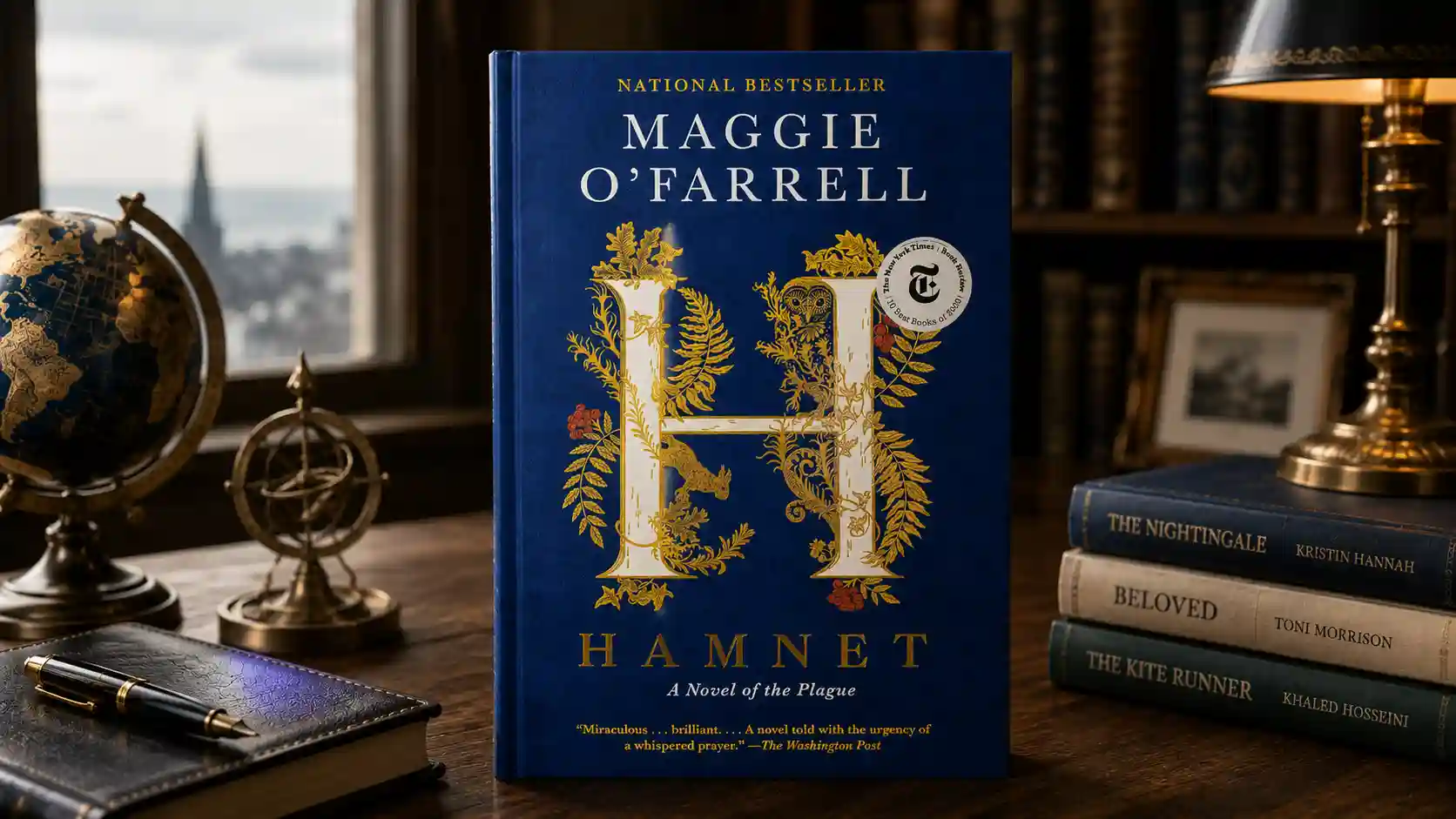
Hamnet
Author: Maggie O’Farrell
Pages: 320
Setting: Stratford-upon-Avon, England (Late 16th Century)
Primary Genre: Historical Fiction
Discussion Potential: ⭐⭐⭐⭐⭐ Excellent
Best For: Literary historical fiction, family dramas, emotionally rich novels
Short Plot
This novel transports readers to late 16th-century Elizabethan England during a period of recurring Black Plague outbreaks. It reconstructs the domestic life, rural economy, and familial grief behind William Shakespeare’s household in Stratford-upon-Avon, culminating in the real-life death of his 11-year-old son, Hamnet, in 1596, which directly inspired the writing of his famous tragedy..
Why It’s Great for Book Clubs
Hamnet explores love, loss, parenthood, and grief with extraordinary emotional depth. Its beautiful prose, historical setting, and unique perspective on one of literature’s most famous families offer plenty of opportunities for thoughtful discussion.
Discussion Themes
- Love and Loss
- Grief and Healing
- Family Relationships
- Motherhood
- Marriage
- Memory and Legacy
- Art and Creativity
- Resilience
Why We Recommend It
It is included for its profound, visceral exploration of maternal and paternal grief. Rather than focusing on the public grandeur of London theatre, it centers on Agnes (Shakespeare’s wife) and her deep connection to the natural world and folk medicine. Book clubs will find immense value in discussing how different family members process sudden tragedy and how immense personal sorrow can be transformed into lasting art.
Who Should Read It?
Perfect for readers who enjoy literary fiction, emotional family stories, historical novels, and beautifully written books that explore love, grief, and the enduring bonds between parents and children.
Book Club Discussion Questions
- How does Agnes’s grief shape the novel?
- What role does love play in helping the family endure loss?
- How did the historical setting influence your reading experience?
- What does the novel suggest about memory and legacy?
- Why do you think Hamnet resonates so strongly with modern readers?
If You Enjoyed Hamnet, Also Read
- A Gentleman in Moscow by Amor Towles
- The Marriage Portrait by Maggie O’Farrell
- The Covenant of Water by Abraham Verghese
- The Nightingale by Kristin Hannah
- All the Light We Cannot See by Anthony Doerr

The Grapes of Wrath
Author: John Steinbeck
Pages: 464
Setting: Oklahoma & California, United States (1930s, Great Depression)
Primary Genre: Historical Fiction
Discussion Potential: ⭐⭐⭐⭐⭐ Excellent
Best For: American classics, literary historical fiction, social justice novels
Short Plot
A foundational historical work documenting the American Dust Bowl era of the 1930s. It traces the ecological disaster that ruined tenant farming in Oklahoma, the subsequent mass migration of “Okies” along Route 66, and the brutal economic exploitation, worker abuse, and migrant camp realities they faced upon arriving in the agricultural valleys of California.
Why It’s Great for Book Clubs
This classic is perfect for contemporary book clubs because its core themes—corporate greed, climate displacement, human rights, and the collapse of the American Dream—remain strikingly relevant. The narrative balances the agonizing journey of the Joad family with broader, philosophical interchapters that allow a group to debate structural economic justice versus individual survival instincts.
Discussion Themes
- Poverty and Inequality
- Family and Community
- The American Dream
- Migration and Displacement
- Human Dignity
- Social Justice
- Hope and Resilience
- Sacrifice
Why We Recommend It
The Grapes of Wrath remains one of the best historical fiction books for book clubs because its themes are as relevant today as when it was first published. John Steinbeck blends emotional storytelling with powerful historical insight, creating a literary masterpiece that encourages thoughtful discussion and lasting reflection.
Who Should Read It?
Perfect for readers who enjoy classic historical fiction novels, socially conscious literature, and book club recommendations that explore resilience, inequality, and the strength of the human spirit.
Book Club Discussion Questions
- How does the novel redefine the American Dream through the Joad family’s experiences?
- Which character’s journey had the greatest impact on you, and why?
- How does Steinbeck portray the relationship between poverty and human dignity?
- Which themes from the novel remain relevant in today’s society?
- Why has The Grapes of Wrath remained one of the most influential historical fiction books for book club discussions?
If You Enjoyed The Grapes of Wrath, Also Read
- East of Eden by John Steinbeck
- Demon Copperhead by Barbara Kingsolver
- Pachinko by Min Jin Lee
- The Four Winds by Kristin Hannah
- The Nickel Boys by Colson Whitehead
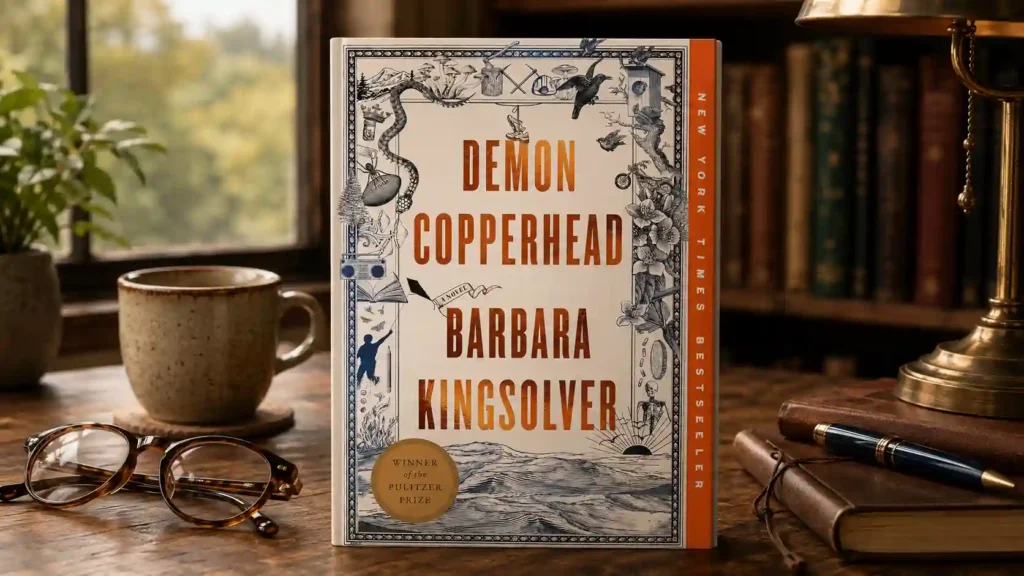
Demon Copperhead
Author: Barbara Kingsolver
Pages: 560
Setting: Appalachia, Virginia, United States (Late 20th–Early 21st Century)
Primary Genre: Historical Fiction
Discussion Potential: ⭐⭐⭐⭐⭐ Excellent
Best For: Literary historical fiction, contemporary social issues, character-driven novels
Short Plot
This epic chronicles the twilight of the American frontier in the late 1870s. It portrays the realities of a massive cattle drive from the Rio Grande border town of Texas up to the uncolonized territory of Montana, dealing realistically with the displacement of Native Americans, the lawlessness of the plains, and the harsh, unromanticized physical perils of the trail.
Why It’s Great for Book Clubs
It belongs on this list because it completely deconstructs the idealized Hollywood myth of the American cowboy. The complex bond between the aging Texas Rangers, Augustus McCrae and Woodrow Call, serves as a profound case study in contrasting leadership styles and life philosophies. Discussions will naturally gravitate toward its themes of aging, the price of ambition, and the bittersweet nature of lifelong companionship.
Discussion Themes
- Poverty and Inequality
- Addiction and Recovery
- Family and Belonging
- Resilience and Hope
- Foster Care
- Identity and Personal Growth
- Social Justice
- Community
Why We Recommend It
Barbara Kingsolver delivers one of the most powerful historical fiction novels of recent years. Rich in emotion, memorable characters, and social insight, Demon Copperhead is among the best historical fiction books for book clubs with great potential for discussions, offering readers both an unforgettable story and plenty to talk about.
Who Should Read It?
Perfect for readers who enjoy literary fiction, emotionally driven stories, modern historical fiction, and book club recommendations that explore real-world challenges with honesty and compassion.
Book Club Discussion Questions
- How does Demon’s voice shape your understanding of his journey?
- What does the novel reveal about poverty and opportunity in America?
- Which relationships have the greatest influence on Demon’s life?
- How does the opioid crisis affect the characters and their choices?
- Why do you think Demon Copperhead resonates so strongly with readers today?
If You Enjoyed Demon Copperhead, Also Read
- The Grapes of Wrath by John Steinbeck
- Pachinko by Min Jin Lee
- The Nickel Boys by Colson Whitehead
- Shuggie Bain by Douglas Stuart
- Educated by Tara Westover

Trust
Author: Hernan Diaz
Pages: 416
Setting: New York City, United States (1920s–1930s)
Primary Genre: Historical Fiction
Discussion Potential: ⭐⭐⭐⭐⭐ Excellent
Best For: Literary historical fiction, Pulitzer Prize winners, thought-provoking novels
Short Plot
Centered in New York City during the roaring 1920s and the devastating Great Depression of the 1930s, this puzzle-box novel investigates the machinery of American capitalism, Wall Street speculation, and the hyper-concentration of wealth that altered the global economic landscape.
Why It’s Great for Book Clubs
This book is a dream for analytical book clubs due to its unique four-part structure, where each section is written as a completely different text (a novel-within-a-novel, an unfinished manuscript, a memoir, and a private diary). The core debate centers on narrative reliability, the distortion of history by the powerful, and how women’s contributions to history are systematically erased or rewritten. It forces the group to actively piece together the “truth.”
Discussion Themes
- Truth and Perspective
- Wealth and Power
- Identity
- Gender and Marriage
- Ambition
- Memory and History
- Storytelling
- The American Dream
Why We Recommend It
Winner of the 2023 Pulitzer Prize for Fiction, Trust is one of the most inventive historical fiction novels in recent years. Hernan Diaz combines elegant prose with an innovative narrative that rewards careful reading, making it one of the best historical fiction books for book club readers who enjoy layered stories and thought-provoking conversations.
Who Should Read It?
Perfect for readers who enjoy literary fiction, Pulitzer Prize winners, intelligent historical novels, and book club recommendations that explore power, truth, and the nature of storytelling.
Book Club Discussion Questions
- How did the novel’s four-part structure influence your understanding of the story?
- Which narrator did you find most trustworthy, and why?
- What does the novel suggest about the relationship between wealth and power?
- How do different perspectives shape our understanding of history?
- Why do you think Trust has become a favorite among historical fiction book clubs?
If You Enjoyed Trust, Also Read
- A Gentleman in Moscow by Amor Towles
- The Lincoln Highway by Amor Towles
- The Remains of the Day by Kazuo Ishiguro
- The Great Gatsby by F. Scott Fitzgerald
- Hamnet by Maggie O’Farrell
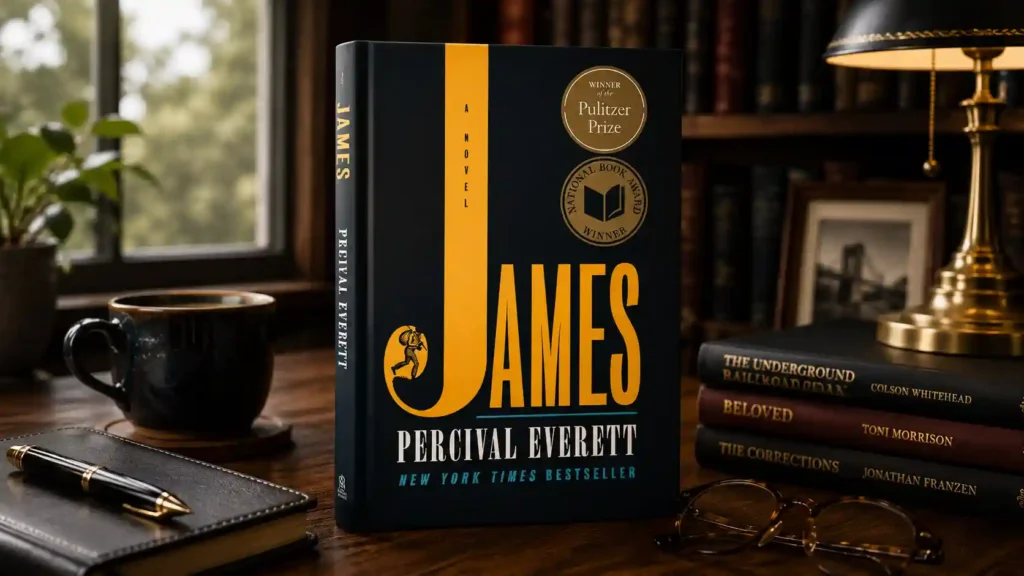
Short Plot
Set in the antebellum American South of the 1840s along the Mississippi River, this narrative exposes the horrific legal, physical, and psychological realities of chattel slavery, the underground escape networks, and the constant threat of being sold downriver.
Why It’s Great for Book Clubs
Reimagining Mark Twain’s Adventures of Huckleberry Finn from the perspective of the enslaved Jim is a literary event that sparks instant, vital discussion. The book’s brilliant exploration of language—how Jim and other enslaved characters use an altered vernacular as a survival tactic around white people while speaking eloquently in private—offers a thrilling critique of race, agency, and identity that will dominate any book club meeting.
Discussion Themes
- Slavery and Freedom
- Race and Identity
- Power and Injustice
- Family and Sacrifice
- Survival
- Morality
- Storytelling and Perspective
- Hope and Resilience
Why We Recommend It
Winner of the 2025 Pulitzer Prize for Fiction, James is one of the most acclaimed historical fiction novels of recent years. Percival Everett blends wit, emotion, and powerful social insight into a gripping narrative that challenges familiar perspectives, making it one of the best historical fiction books for book club discussions.
Who Should Read It?
Perfect for readers who enjoy literary fiction, award-winning historical novels, modern retellings of classic literature, and book club recommendations that inspire thoughtful conversations about history, justice, and human dignity.
Book Club Discussion Questions
- How does telling the story from James’s perspective change your understanding of the original classic?
- Which moments best highlight James’s intelligence and resilience?
- What does the novel reveal about freedom, identity, and human dignity?
- How does Everett use humor and satire to address serious historical issues?
- Why do you think James is such a powerful historical fiction book club selection?
If You Enjoyed James, Also Read
- The Nickel Boys by Colson Whitehead
- The Underground Railroad by Colson Whitehead
- Beloved by Toni Morrison
- The Grapes of Wrath by John Steinbeck
- Trust by Hernan Diaz
Highly Conversational Historical Fiction Book Club Picks
Finding the right book club pick often means searching for that perfect balance between a gripping plot and complex themes that demand to be discussed. Historical fiction is uniquely suited for this, offering immersive eras filled with moral dilemmas, cultural shifts, and characters navigating extraordinary circumstances. The selections below aren’t just beautifully written journeys into the past; they are conversational goldmines, carefully chosen to spark passionate debates, deep dives into history, and engaging discussions that will keep your group talking long after the meeting ends.

The Women
Author: Kristin Hannah
Pages: 480
Setting: Vietnam & United States (1960s–1970s, Vietnam War)
Primary Genre: Historical Fiction
Discussion Potential: ⭐⭐⭐⭐⭐ Excellent
Best For: Vietnam War fiction, women’s historical fiction, emotionally powerful novels
Short Plot
This book documents the Vietnam War through the eyes of the young, idealistic military nurses of the Army Nurse Corps who served on the front lines, highlighting their exposure to mass casualties, the subsequent lack of recognition by the government, and the hostility they faced upon returning to a deeply divided America.
Why It’s Great for Book Clubs
Added because it brings a vital female perspective to an era of historical fiction traditionally dominated by male combat narratives. The severe PTSD experienced by these women and the societal denial of their service provide emotional and politically charged talking points for any group.
Discussion Themes
- Women in War
- Courage and Sacrifice
- Friendship
- Trauma and Healing
- Identity and Growth
- Patriotism
- Love and Loss
- Resilience
Why We Recommend It
Kristin Hannah delivers another unforgettable historical fiction novel, combining meticulous historical research with emotionally rich storytelling. The Women is one of the best historical fiction books for book club discussions, offering memorable characters, powerful themes, and an important perspective on a chapter of history that is often overlooked.
Who Should Read It?
Perfect for readers who enjoy emotionally driven historical fiction, Vietnam War stories, strong female protagonists, and book club recommendations that explore courage, healing, and the resilience of the human spirit.
Book Club Discussion Questions
- How does Frankie’s understanding of courage change throughout the novel?
- What challenges did women veterans face after returning home?
- How do friendship and loyalty help the characters endure difficult experiences?
- Which themes felt most relevant to today’s readers?
- Why do you think The Women has become a favorite historical fiction book for book club selection?
If You Enjoyed The Women, Also Read
- The Nightingale by Kristin Hannah
- The Four Winds by Kristin Hannah
- The Alice Network by Kate Quinn
- The Things They Carried by Tim O’Brien
- All the Light We Cannot See by Anthony Doerr

The Four Winds
Author: Kristin Hannah
Pages: 464
Setting: Texas, Oklahoma & California, United States (1930s, Dust Bowl & Great Depression)
Primary Genre: Historical Fiction
Discussion Potential: ⭐⭐⭐⭐⭐ Excellent
Best For: Great Depression fiction, family sagas, emotionally powerful historical novels
Short Plot
Set during the Great Depression and the ecological catastrophe of the Dust Bowl in Texas, detailing the subsequent migrant labor strikes, Hoovervilles, and anti-migrant sentiment targeted toward displaced Americans in California.
Why It’s Great for Book Clubs
The central struggle of a mother fighting to keep her children alive in hostile economic conditions serves as an incredible anchor for exploring themes of female resilience, environmental mismanagement, and class warfare.
Discussion Themes
- Family and Motherhood
- Survival and Resilience
- The Great Depression
- The Dust Bowl
- Migration and Displacement
- Poverty and Inequality
- Hope and Sacrifice
- The American Dream
Why We Recommend It
Kristin Hannah brings the hardships of the 1930s vividly to life through unforgettable characters and immersive storytelling. As one of the best historical fiction books for book club readers, The Four Winds balances historical authenticity with emotional depth, making it a memorable novel that sparks thoughtful conversations.
Who Should Read It?
Perfect for readers who enjoy family sagas, emotionally rich historical fiction novels, and book club recommendations that explore courage, perseverance, and the enduring strength of the human spirit.
Book Club Discussion Questions
- How does Elsa evolve from the beginning to the end of the novel?
- What does the story reveal about the resilience of families during the Great Depression?
- How do the Dust Bowl and economic hardship shape the characters’ decisions?
- Which themes still resonate with modern readers?
- Why do you think The Four Winds is such a popular historical fiction book for book club selection?
If You Enjoyed The Four Winds, Also Read
- The Grapes of Wrath by John Steinbeck
- The Nightingale by Kristin Hannah
- The Women by Kristin Hannah
- The Giver of Stars by Jojo Moyes
- Pachinko by Min Jin Lee
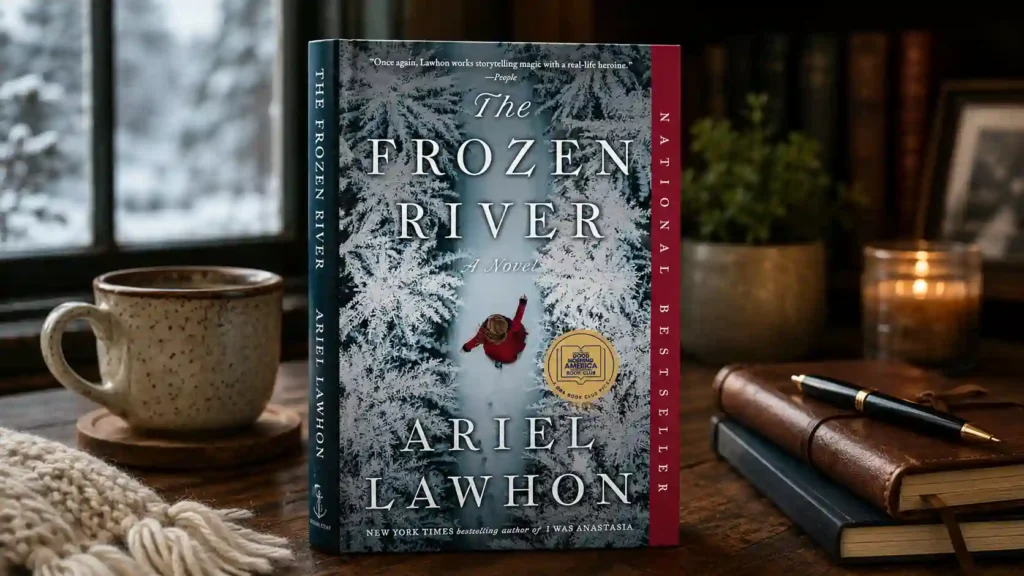
The Frozen River
Author: Ariel Lawhon
Pages: 432
Setting: Maine, United States (1789)
Primary Genre: Historical Fiction
Discussion Potential: ⭐⭐⭐⭐⭐ Excellent
Best For: Historical mysteries, strong female protagonists, courtroom dramas
Short Plot
Inspired by the life of real-life midwife Martha Ballard, The Frozen River follows her as she investigates the suspicious death of a man found beneath the ice while uncovering secrets surrounding a shocking assault in her small town. As she searches for the truth, Martha risks her reputation and safety to pursue justice.
Why It’s Great for Book Clubs
It highlights the legal status of women in post-Revolutionary America (where their testimony was routinely dismissed) and provides a gripping historical mystery that encourages debates on systemic justice, community secrets, and bodily autonomy.
Discussion Themes
- Justice and Truth
- Women’s Rights
- Courage and Integrity
- Community and Reputation
- Family and Loyalty
- Power and Corruption
- Resilience
- Moral Responsibility
Why We Recommend It
Ariel Lawhon transforms a remarkable true story into a gripping historical fiction novel filled with suspense and emotional depth. Richly researched and driven by an unforgettable heroine, The Frozen River is one of the best historical fiction books for book club discussions, offering readers both a page-turning mystery and meaningful historical insight.
Who Should Read It?
Perfect for readers who enjoy historical mysteries, strong female protagonists, true-story-inspired novels, and book club recommendations that combine suspense with thought-provoking themes.
Book Club Discussion Questions
- How does Martha Ballard challenge the expectations placed on women in her time?
- What role does truth play in a community shaped by rumors and social status?
- How did the historical setting influence your understanding of justice?
- Which moral dilemma in the novel stood out to you the most?
- Why do you think The Frozen River has become a favorite historical fiction book for book club pick?
If You Enjoyed The Frozen River, Also Read
- The Marriage Portrait by Maggie O’Farrell
- Hamnet by Maggie O’Farrell
- The Women by Kristin Hannah
- The Personal Librarian by Marie Benedict and Victoria Christopher Murray
- The Nightingale by Kristin Hannah

Winter Garden
Author: Kristin Hannah
Pages: 448
Setting: Washington State, United States & Leningrad, Soviet Union (World War II)
Primary Genre: Historical Fiction
Discussion Potential: ⭐⭐⭐⭐⭐ Excellent
Best For: Family sagas, World War II fiction, emotionally powerful novels
Short Plot
Shifts between modern-day America and the deadly, freezing Siege of Leningrad (Stalingrad era) during World War II, illustrating the mass starvation, political terror, and profound psychological trauma suffered by citizens trapped within the blockaded Soviet city.
Why It’s Great for Book Clubs
Framed through a Russian mother sharing a fairy tale with her adult daughters, it acts as a powerful exploration of how generational trauma manifests as emotional coldness, offering groups a moving look at forgiveness and family secrets.
Discussion Themes
- Family and Sisterhood
- Mother-Daughter Relationships
- Love and Sacrifice
- War and Survival
- Forgiveness
- Grief and Healing
- Memory and Secrets
- Hope and Resilience
Why We Recommend It
Kristin Hannah masterfully blends a moving family drama with the historical tragedy of the Siege of Leningrad. Rich in emotion and historical detail, Winter Garden is one of the best historical fiction books for book club readers, offering memorable characters and discussions that linger long after the final page.
Who Should Read It?
Perfect for readers who enjoy emotionally rich historical fiction novels, World War II stories, family sagas, and book club recommendations that explore love, loss, resilience, and the bonds between generations.
Book Club Discussion Questions
- How did Anya’s hidden past shape her relationship with her daughters?
- What role does forgiveness play throughout the novel?
- How does the fairy tale deepen the story’s emotional impact?
- Which character changed the most, and why?
- Why do you think Winter Garden is such a compelling historical fiction book for book club selection?
If You Enjoyed Winter Garden, Also Read
- The Nightingale by Kristin Hannah
- The Women by Kristin Hannah
- All the Light We Cannot See by Anthony Doerr
- The Alice Network by Kate Quinn
- The Book Thief by Markus Zusak

Short Plot
Uncovers the true history of the Alice Network, a real ring of female spies operating in German-occupied France during World War I, intertwined with a post-World War II search for a missing person in 1947.
Why It’s Great for Book Clubs
It pairs the gritty, dangerous realities of espionage with themes of unconventional female freedom and redemption, creating an fast-paced yet substance-heavy selection that keeps discussions lively.
Discussion Themes
- Courage and Sacrifice
- Friendship and Loyalty
- Women in Wartime
- Justice and Redemption
- Secrets and Betrayal
- Identity and Healing
- Love and Loss
- Hope and Resilience
Why We Recommend It
Kate Quinn expertly blends historical fact with compelling fiction, bringing the real-life Alice Network of female spies to life. As one of the best historical fiction books for book club readers, the novel offers fast-paced storytelling, emotional depth, and fascinating historical insight that keeps readers invested from beginning to end.
Who Should Read It?
Perfect for readers who enjoy historical spy novels, World War fiction, strong female protagonists, and book club recommendations that combine mystery, history, and emotional storytelling.
Book Club Discussion Questions
- How do Eve and Charlie’s journeys complement each other across different time periods?
- Which character’s story resonated with you the most, and why?
- What does the novel reveal about the overlooked contributions of women during wartime?
- How do secrets and past trauma shape the characters’ decisions?
- Why has The Alice Network become a favorite historical fiction book for book club selection?
If You Enjoyed The Alice Network, Also Read
- The Nightingale by Kristin Hannah
- The Rose Code by Kate Quinn
- The Huntress by Kate Quinn
- All the Light We Cannot See by Anthony Doerr
- The Women by Kristin Hannah

Atonement
Author: Ian McEwan
Pages: 368
Setting: England & France (1935–Post-World War II)
Primary Genre: Historical Fiction
Discussion Potential: ⭐⭐⭐⭐⭐ Excellent
Best For: Literary historical fiction, World War II novels, emotionally complex stories
Short Plot
Spans England in the idyllic 1930s, the chaotic and bloody British military retreat from Dunkirk during World War II, and the intense conditions of wartime London hospitals.
Why It’s Great for Book Clubs
The inciting incident—a young girl making a false accusation that ruins multiple lives—leads directly into an exploration of guilt, the impossibility of true penance, and the ethics of storytelling, providing a legendary twist ending that book clubs will debate for hours.
Discussion Themes
- Guilt and Redemption
- Love and Loss
- Truth and Memory
- War and Trauma
- Forgiveness
- Class and Social Expectations
- Consequences of Choices
- Storytelling and Perspective
Why We Recommend It
Ian McEwan masterfully blends literary fiction with historical events to create one of the most acclaimed historical fiction novels of the modern era. With elegant prose, emotional depth, and a thought-provoking narrative, Atonement stands out as one of the best historical fiction books for book club discussions.
Who Should Read It?
Perfect for readers who enjoy literary historical fiction, World War II stories, emotionally driven novels, and book club recommendations that explore love, regret, and the complexity of human nature.
Book Club Discussion Questions
- Was Briony deserving of forgiveness? Why or why not?
- How does World War II influence the characters’ lives and choices?
- What role does memory play in shaping the novel’s events?
- How did the ending change your understanding of the story?
- Why do you think Atonement remains one of the most discussed historical fiction books for book club readers?
If You Enjoyed Atonement, Also Read
- The English Patient by Michael Ondaatje
- All the Light We Cannot See by Anthony Doerr
- The Nightingale by Kristin Hannah
- Hamnet by Maggie O’Farrell
- The Remains of the Day by Kazuo Ishiguro

The Lion Women of Tehran
Author: Marjan Kamali
Pages: 336
Setting: Tehran, Iran (1950s–1980s)
Primary Genre: Historical Fiction
Discussion Potential: ⭐⭐⭐⭐⭐ Excellent
Best For: Women’s historical fiction, friendship stories, Middle Eastern history
Short Plot
Depicts the changing social fabric of Iran from the 1950s through the 1979 Islamic Revolution, capturing the shifting rights, educational movements, and political perils experienced by Iranian women across decades of dramatic regime changes.
Why It’s Great for Book Clubs
It builds its historical narrative around a deep, fractured friendship between two women from different social classes. This structural choice gives book clubs an accessible way to examine complex Middle Eastern political history, courage, and ideological divergence.
Discussion Themes
- Friendship and Loyalty
- Women’s Rights
- Identity and Belonging
- Family Expectations
- Love and Sacrifice
- Social Class
- Political Change
- Courage and Resilience
Why We Recommend It
Marjan Kamali brings modern Iranian history to life through unforgettable characters and heartfelt storytelling. Blending historical events with deeply personal relationships, The Lion Women of Tehran is one of the best historical fiction books for book club readers seeking emotional depth, cultural insight, and thought-provoking discussion.
Who Should Read It?
Perfect for readers who enjoy literary historical fiction novels, stories centered on female friendships, multicultural narratives, and book club recommendations that explore history through personal experiences.
Book Club Discussion Questions
- How do Ellie and Homa’s different backgrounds shape their friendship?
- What role does privilege play in the characters’ choices and opportunities?
- How does the novel portray the changing roles of women in Iranian society?
- Which historical events had the greatest impact on the characters’ lives?
- Why do you think The Lion Women of Tehran is an excellent historical fiction book for book club selection?
If You Enjoyed The Lion Women of Tehran, Also Read
- The Stationery Shop by Marjan Kamali
- Pachinko by Min Jin Lee
- The Island of Sea Women by Lisa See
- Homegoing by Yaa Gyasi
- The Covenant of Water by Abraham Verghese

Lilac Girls
Author: Martha Hall Kelly
Pages: 512
Setting: Germany, Poland & United States (1939–1959, World War II)
Primary Genre: Historical Fiction
Discussion Potential: ⭐⭐⭐⭐⭐ Excellent
Best For: World War II fiction, women-centered historical novels, stories inspired by true events
Short Plot
Follows three women whose lives intersect around the Ravensbrück concentration camp—a Nazi camp exclusively for women—focusing specifically on the horrific pseudo-medical experiments performed on Polish political prisoners known as the “Rabbits.”
Why It’s Great for Book Clubs
By including the perspective of a German female doctor alongside an American socialite and a Polish victim, the novel offers a multi-dimensional look at accountability, medical ethics, and the long road to post-war justice.
Discussion Themes
- Courage and Survival
- Women’s Strength
- Friendship and Compassion
- Justice and Accountability
- War and Humanity
- Moral Choices
- Hope and Resilience
- Healing After Trauma
Why We Recommend It
Martha Hall Kelly shines a light on a lesser-known chapter of World War II history through unforgettable characters and meticulous research. As one of the best historical fiction books for book club readers, Lilac Girls delivers an emotional and educational reading experience that inspires thoughtful conversations long after the final page.
Who Should Read It?
Perfect for readers who enjoy World War II historical fiction novels, stories inspired by real people, strong female protagonists, and book club recommendations that explore courage, compassion, and the resilience of the human spirit.
Book Club Discussion Questions
- Which of the three women’s stories affected you the most, and why?
- How does the novel explore the moral complexities of war?
- What role do friendship and compassion play in helping the characters survive?
- How did learning that parts of the story were inspired by real events influence your reading experience?
- Why do you think Lilac Girls remains a favorite historical fiction book for book club selection?
If You Enjoyed Lilac Girls, Also Read
- The Nightingale by Kristin Hannah
- The Alice Network by Kate Quinn
- The Book of Lost Names by Kristin Harmel
- All the Light We Cannot See by Anthony Doerr
- The Tattooist of Auschwitz by Heather Morris

Beneath a Scarlet Sky
Author: Mark Sullivan
Pages: 528
Setting: Italy (1943–1945, World War II)
Primary Genre: Historical Fiction
Discussion Potential: ⭐⭐⭐⭐⭐ Excellent
Best For: World War II fiction, stories inspired by true events, heroic historical novels
Short Plot
Based on the incredible true story of Pino Lella, an Italian teenager who helped smuggle Jewish refugees over the Alps into Switzerland before being forced to enlist as the personal driver for Adolf Hitler’s top left-hand commander in Italy.
Why It’s Great for Book Clubs
The sheer, unbelievable scale of the real-world events provides an engaging narrative pace, while the ethical tightrope of acting as a spy inside the high command of an occupying army offers great talking points regarding compromises made in wartime.
Discussion Themes
- Courage and Heroism
- Resistance and Freedom
- Love and Sacrifice
- Moral Choices
- War and Survival
- Family and Loyalty
- Hope and Resilience
- Based on a True Story
Why We Recommend It
Mark Sullivan transforms an extraordinary true story into a gripping historical fiction novel that is both inspiring and emotionally powerful. Rich in historical detail and fast-paced storytelling, Beneath a Scarlet Sky is one of the best historical fiction books for book club readers who enjoy unforgettable characters and compelling discussions.
Who Should Read It?
Perfect for readers who enjoy World War II historical fiction novels, stories inspired by real events, fast-paced historical adventures, and book club recommendations that celebrate courage, resilience, and hope.
Book Club Discussion Questions
- What qualities make Pino an unlikely yet effective hero?
- How do love and duty influence Pino’s decisions throughout the novel?
- Which moral dilemmas had the greatest impact on you?
- How did knowing the story was inspired by real events affect your reading experience?
- Why do you think Beneath a Scarlet Sky is such a popular historical fiction book for book club selection?
If You Enjoyed Beneath a Scarlet Sky, Also Read
- All the Light We Cannot See by Anthony Doerr
- The Nightingale by Kristin Hannah
- The Alice Network by Kate Quinn
- Lilac Girls by Martha Hall Kelly
- The Book of Lost Names by Kristin Harmel
Historical fiction often raises fascinating questions about morality, culture, and real-world events. After finishing your next novel, explore our book club discussion questions to dive deeper into the story’s themes and spark thoughtful conversations with your reading group.
Advertiseent-Continue Reading Below
More Must-Read Book Club Selections


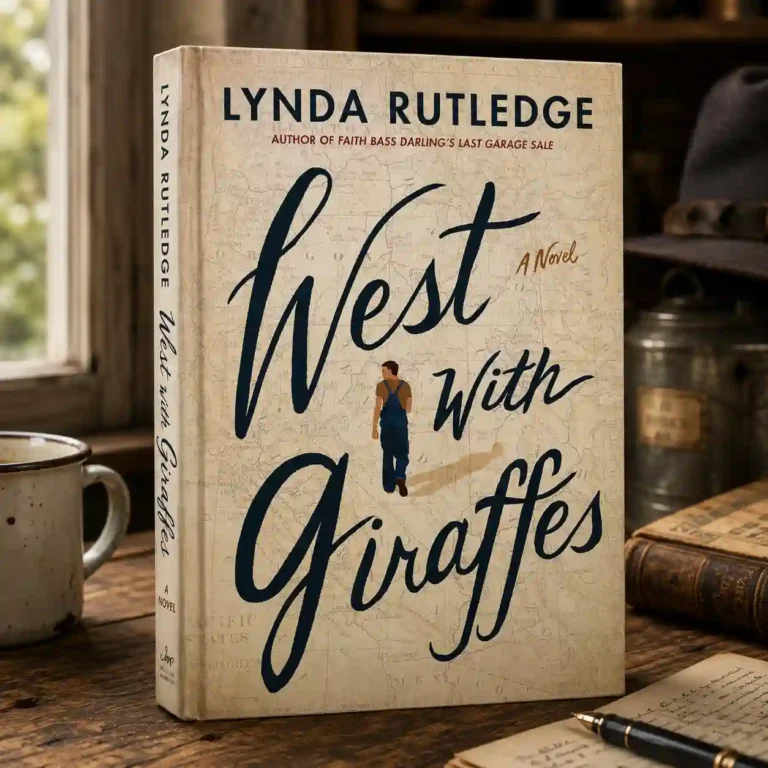

Historical fiction is just one of many genres that create unforgettable book club conversations. Browse our curated list of the Best Book Club Books to discover even more exceptional recommendations.
Advertiseent-Continue Reading Below
What Makes Historical Fiction Ideal for Book Clubs?
The best historical fiction books for book clubs offer far more than entertaining stories—they transport readers into another time while exploring themes that still resonate today. A great historical novel blends compelling characters with real events, encouraging readers to see history through a deeply human lens.
Unlike many genres that focus primarily on plot, historical fiction naturally inspires thoughtful conversations. Readers often finish the same book with completely different perspectives on its characters, historical events, and moral choices, making it one of the richest genres for book club discussions.
Historical fiction is especially well suited for reading clubs because it combines several elements that encourage lively conversation:
- Historical events that invite further exploration
- Complex characters with morally challenging decisions
- Emotional storytelling that creates lasting impressions
- Real-world connections between past and present
- Multiple perspectives that encourage respectful debate
Whether your members enjoy literary masterpieces or accessible contemporary novels, there are outstanding historical fiction book club recommendations for every type of group.
Why Historical Fiction Creates Memorable Discussions
Some books entertain you for a weekend. The best historical fiction book club reads stay with you for years because they encourage readers to ask difficult questions rather than offering easy answers.
Historical fiction naturally sparks discussions around topics such as:
- Justice and morality
- Courage under impossible circumstances
- Family loyalty
- Love during times of conflict
- Cultural identity
- Political power
- Social change
- Human resilience
These layered themes allow every reader to bring unique experiences and viewpoints to the conversation, which is exactly what makes a successful book club.
Many of the most recommended historical fiction books for clubs also blur the line between fiction and history. Members often find themselves researching the real events, comparing historical facts or discussing how accurately an author portrayed a particular era. This curiosity extends the conversation well beyond the final chapter.
Whether your club prefers emotional family sagas, wartime novels, historical mysteries, or literary classics, the strongest club fiction choices are those that continue generating discussion long after everyone has finished reading.
Planning a historical fiction reading group? Give your club a name that fits its personality, whether you prefer something literary, clever, or inspired by the past. Our guide to book club names has plenty of ideas to help you find the right fit.
How This List Was Selected
Not every bestselling historical novel makes a great book club pick. Some books are enjoyable but leave little to discuss, while others inspire hours of conversation despite being less widely known.
To create this collection of the best historical fiction books for book clubs, we evaluated every title using consistent editorial criteria rather than relying solely on bestseller lists or online popularity.
Each recommendation was selected based on its ability to provide:
- Outstanding storytelling that keeps readers engaged
- Historical authenticity supported by thorough research
- Thought-provoking themes suitable for group discussion
- Well-developed characters with meaningful growth
- Strong discussion potential for readers with diverse opinions
- Consistently positive feedback from reading groups and literary communities
We also considered books frequently featured in book club recommendations, librarian reading lists, literary awards, and respected reading club selections to ensure the guide includes both modern favorites and enduring classics.
The result is a carefully curated historical fiction book club list that balances critically acclaimed novels with reader favorites across different historical periods and writing styles.
Review Methodology
Every title featured in this guide is evaluated using the same editorial framework to provide fair, transparent and consistent recommendations.
Our assessment focuses on the qualities that matter most to book clubs, not just individual readers.
| Criterion | Weight |
|---|---|
| Writing Quality | 20% |
| Character Development | 15% |
| Plot & Story Structure | 15% |
| Emotional Impact | 15% |
| Historical Accuracy & Authenticity | 15% |
| Discussion Potential | 10% |
| Originality | 5% |
| Lasting Value | 5% |
This methodology helps identify books that not only deliver an excellent reading experience but also encourage meaningful conversations during club meetings.
Books receiving the highest scores typically feature:
- Rich historical settings
- Memorable characters
- Multiple perspectives
- Ethical dilemmas
- Emotional depth
- Endings that invite discussion rather than simple conclusions
By using the same evaluation process across every recommendation, we ensure our book club recommendations remain balanced, trustworthy, and genuinely useful for readers looking to discover exceptional historical fiction.
Conclusion: Bringing History to Life in Your Book Club
Selecting the perfect title for your reading group is about finding a story that blends a rich, factual backdrop with compelling human dilemmas. Whether your group prefers exploring the resilient narratives of World War II, the quiet struggles of the American frontier, or sweeping multi-generational family sagas, there is a wealth of must read historical fiction ready to spark meaningful conversations.
When diving into this genre, readers often ask, what is a good historical fiction book to anchor a lively meeting? The answer lies in finding stories where the accuracy of the dates and places meets deeply relatable choices that characters must make under the immense pressures of their time.
By curating a diverse list of must read historical books, you give your club members the opportunity to step out of the present day and engage in vibrant, thought-provoking debates about morality, survival, and society. Gather your members, prepare your discussion notes, and add these must read historical novels to your group’s upcoming reading schedule.
Your turn: Which book has been the biggest hit with your book club? We’d love to hear about the stories that kept everyone talking long after the final page.
FAQs

Editor & Reviewer
Jennie Haskins is the Editor and Reviewer of Best Books Corner, a website dedicated to helping readers discover the best books to read through honest reviews, clear summaries, and curated book recommendations. She writes about books that focus on personal development, psychology, business, productivity, and timeless literature. Through Best Books Corner, Jennnie’s goal is to make the most valuable ideas from influential books simple, accessible, and practical for readers around the world.